Young people grow best where they feel safe. Scouting’s commitment to youth protection aligns naturally with our Safer Sanctuaries practices. Together, they create a space where children can try, fail, learn, and try again. The Scout Law calls us to be trustworthy. Safety is the first step toward trust — and trust is the soil where faith can take root.
Youth protection isn’t paperwork. It’s discipleship. Our leaders train, prepare, and stay vigilant because every child deserves a church that guards their dignity and well-being.
Local churches have always carried a deep calling to nurture children and youth. But in today’s legal, digital, and cultural landscape, that calling comes with a level of responsibility that many congregations underestimate. When a church operates a youth group, whether it’s five kids on Wednesday night or fifty on a retreat, the church is the sole owner of that ministry. And ownership brings both blessings and liabilities for both the local church and its trustee (the conference).
At the same time, many of the most respected youth-serving organizations in the country-Scouting America, Girl Scouts of the USA, Big Brothers Big Sisters, YMCA of the USA, YouthBuild, Boys and Girls Clubs, and 4-H among them-have spent decades building robust systems of training, screening, monitoring, and insurance that most churches simply do not have the capacity to replicate on their own.
Are we going to try to keep kids safe alone or as a cord of three strands?
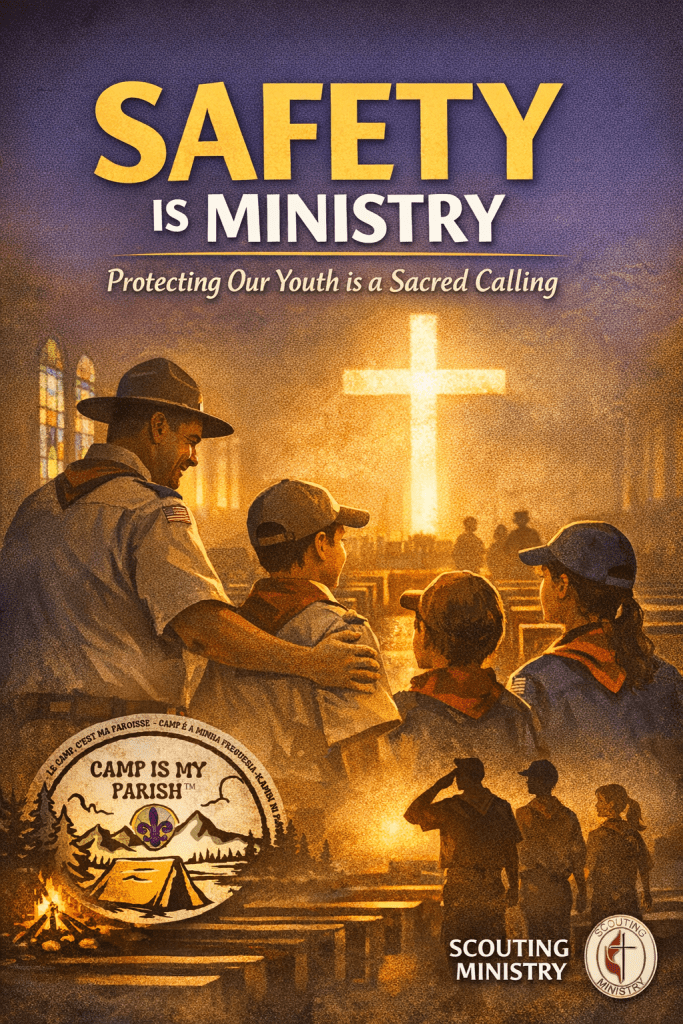
 Scouting Ministries